
Review · WHALE WATCHING IN TAHITI
4 Hours of Humpback Whale Watching in Tahiti
Whales turn a boat ride into a real expedition. This four-hour trip off Tahiti combines small-group whale watching with naturalist guidance, careful wildlife rules, and the rare chance to hear whale song through an onboard hydrophone. I like the spacious boat and the chance to see humpbacks, dolphins, turtles, or other cetaceans during the search. I also like that guides such as Luo, Julien, Lulu, and Bastien are praised for patient explanations and steady effort. The main drawback is simple: whales may stay distant, the sea can be choppy, and entering the water is never guaranteed.
This is a nature outing, not a staged show. The guide alone decides if swimming is safe and respectful, based on whale behavior and sea conditions. That makes the experience more responsible, but it also means you should book with flexible expectations. A successful trip might mean a close encounter with a mother and calf, or it might mean a few blows and a tail far away.
In This Review
- Key points to know before you go
- Meeting Tahiti’s humpbacks from Puna’auia
- Why the naturalist briefing matters
- From distant blows to a mother and calf
- Hearing whale song through the hydrophone
- What happens if snorkeling is allowed
- Choppy water and the limits of nature
- Is $127.54 a fair price?
- Who will enjoy this four-hour outing?
- Practical tips for a better day
- Should you book Tahiti Ocean Explorer?
- FAQ
- How long does the whale-watching experience last?
- Where does the tour begin and end?
- How many people can join the boat?
- Is snorkeling included?
- Can children join the activity?
- Are whale sightings or water launches guaranteed?
- What happens if the weather cancels the tour?
Key points to know before you go
- Four hours on the ocean: You have time to search properly rather than rushing through a short wildlife stop.
- Small group of up to 12: The limited size should make it easier to hear the guide and move around the boat.
- Snorkeling is conditional: You need snorkeling experience, and children under 10 watch only from the boat.
- Hydrophone onboard: You may hear the haunting songs of humpback whales beneath the surface.
- Wildlife comes first: The guide decides how close the boat gets and if anyone can enter the water.
- Strong overall satisfaction: The experience carries a 4.8 out of 5 rating, with 92 percent recommending it.
Meeting Tahiti’s humpbacks from Puna’auia
The trip begins at C97M+HW in Puna’auia, on Tahiti’s western side. It ends at the same meeting point, so you do not need to arrange a second pickup location for the return.
The first stage is a full briefing. Guides explain humpback behavior, the rules for approaching whales, and the conditions that must be met before anyone enters the water. This matters because the best wildlife trips are not simply about getting close. You are also learning when to hold back.
The guide then begins the search from the boat. The crew studies the water for blows, movement, tails, and changes in behavior. You might also see dolphins, sea turtles, or other cetaceans while moving through the ocean. The search itself can be part of the experience, although long periods without a close sighting may test your patience.
The boat is described as spacious, which is useful during a four-hour outing. You will have more room to watch from different positions and settle in during the search. With a maximum of 12 people, the group is small enough for the guide to address questions without shouting across a crowded deck.
More Whale Watching in Tahiti
- Respectful whale excursion to Tahiti in 4h30
★ 4.5 · 123 reviews - Tahiti island: Whale watching Experience
★ 4.2 · 79 reviews - Guided Small Group Whale Watching and Swim Tour Tahiti
★ 5.0 · 57 reviews
Why the naturalist briefing matters
Humpback whales are powerful wild animals, and their behavior can change quickly. A mother with a calf, for example, may react differently from a whale traveling alone. The guides interpret those signs and decide how the boat should proceed.
I especially like the emphasis on respectful approaches. The operator works with local cetacean conservation groups and marine biologists, so the trip is linked to ongoing scientific work rather than treated as a simple sightseeing ride. The crew’s observations may help build wider knowledge of the species.
That does not guarantee a better sighting. It does mean the activity has a clear standard for animal welfare. If the boat stays back, or if the guide refuses a water entry, that is part of the responsible design rather than a service failure.
Luo has received particular praise for explaining whale behavior and helping people get good photographs and sightings. Julien is also singled out for strong explanations and finding good viewing areas, while Lulu and Bastien are associated with a warm, energetic crew. Since guides can vary by departure, do not assume a particular person will lead your trip, but the names give you a sense of the personal style visitors have appreciated.
From distant blows to a mother and calf
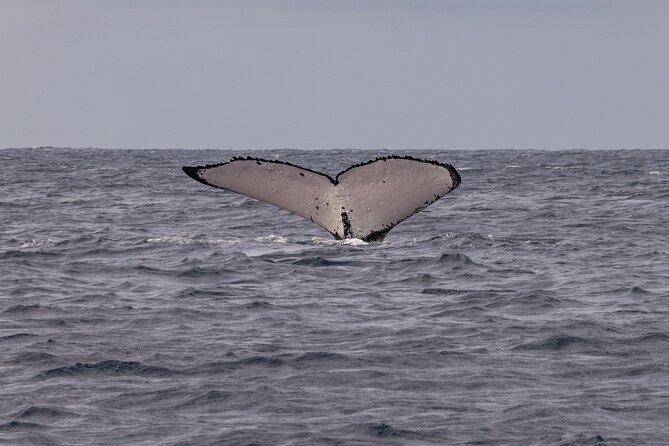
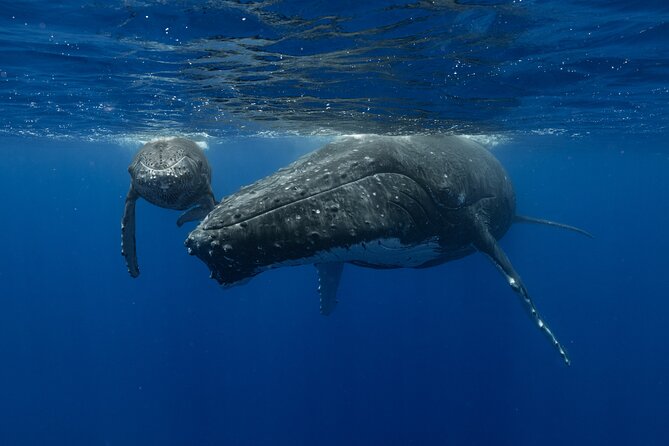
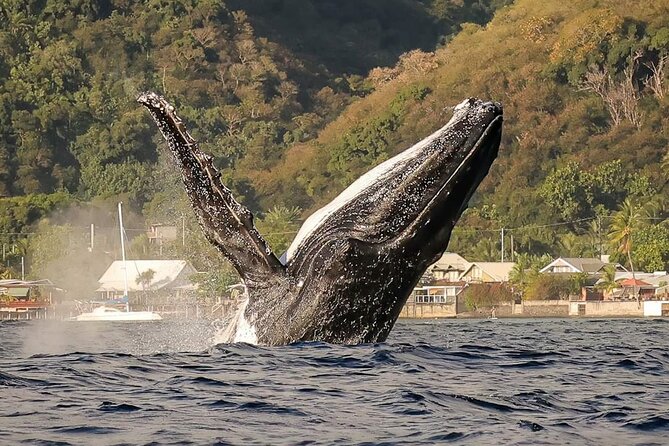
The possible sightings range widely. On one end, you might see several blows, a whale’s back moving through the water, or a tail lifting before the animal disappears. These moments can be brief, especially late in the season, when whales may be harder to locate.
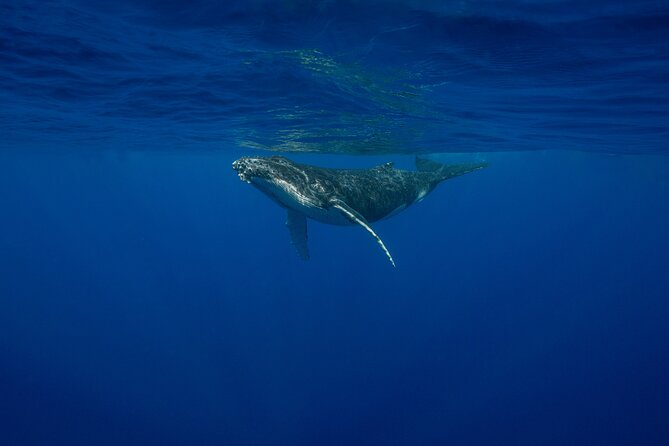
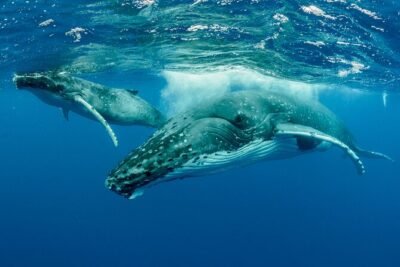
On the other end, the day can produce a remarkable encounter. The strongest accounts describe groups of whales, including a mother with a calf and, in one case, a trio involving two adults and a young whale. Another account describes a close face-to-face moment. Those are exceptional wildlife experiences, not promises built into the ticket.
A useful mental rule is to measure success by the quality of the search, not only by proximity. If you need a guaranteed close approach, this is the wrong type of activity. If you appreciate the thrill of looking for wild animals and watching the crew read the sea, the uncertainty becomes part of the appeal.
One disappointing outing involved a long search with no water entry because five large predatory sharks were circling the boat. That decision was clearly the correct one for safety, but it shows how many factors can shape the day. Even when whales are found, the ocean may not cooperate.
Hearing whale song through the hydrophone
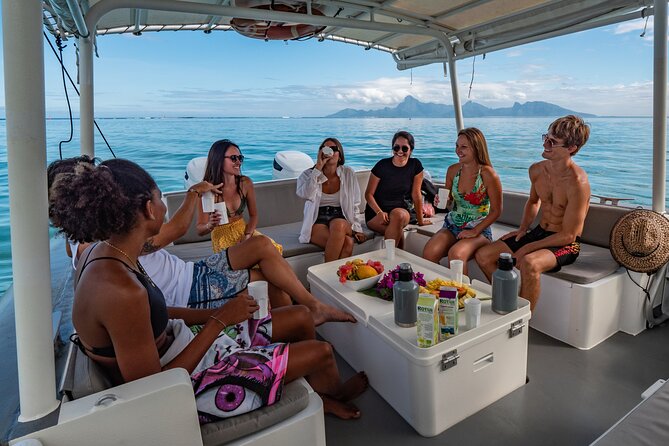
The boat’s hydrophone adds a special layer to the outing. Instead of only scanning for a blow, you may hear the sounds of whales underwater. Humpback song is one of the most memorable parts of encountering these animals, and the hydrophone lets you connect the sound with the search above the surface.
The guide can help you understand what you are hearing and how it relates to the animals’ behavior. Even if the whales stay too far away for a close view, the underwater audio may give the trip a stronger sense of connection.
This equipment is also a practical reason to choose a specialist whale trip instead of a general boat ride. The focus is not only on reaching a scenic point. It is on observing, listening, and understanding what is happening in the water.
A completely different kind of day:
- 5 Hours Tahiti Island Tour – West and East Coast
★ 5.0 · 1,020 reviews - Crossing Island of Tahiti 4×4 Mountain, Waterfall, River, Basins
★ 4.5 · 532 reviews - Découvrez le Mana durant la traversée de Tahiti en 4×4 Safari
★ 5.0 · 456 reviews - Moorea Street Food Tour
★ 5.0 · 410 reviews
What happens if snorkeling is allowed
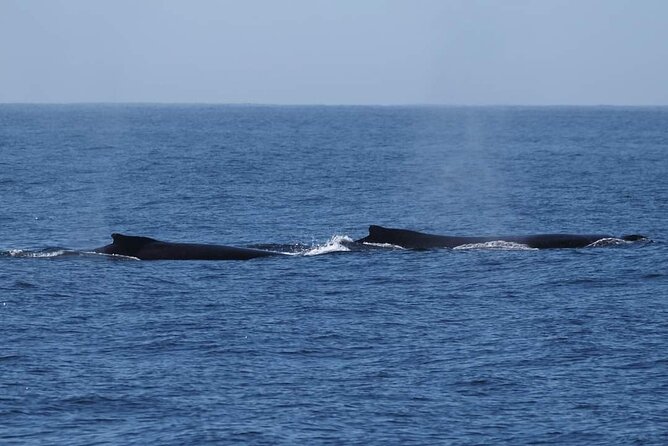
Boat-based observation comes first every time. Only when whale behavior and sea conditions permit will the guide consider letting people enter the water. You must have snorkeling experience if you select this part of the activity.
The guide has sole authority to make that call. You cannot request a launch simply because the whales are nearby. The crew may also decide that the sea is too rough, the animals are moving unpredictably, or the approach would not meet the required welfare standards.
That rule protects both you and the whales. It also prevents the common mistake of treating a wild animal encounter like a scheduled swim show. You should bring the right attitude: snorkeling is a possible bonus, not the central guarantee.
If you are not a confident snorkeler, the boat-only option is the better choice. Children under 10 are limited to observation from the boat, even if conditions appear suitable for others. The tour requires a moderate level of physical fitness, so consider the time on the water and the possibility of rough conditions before booking.
Choppy water and the limits of nature
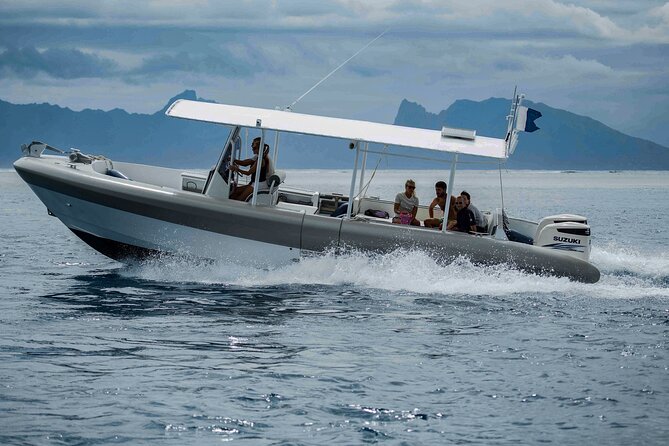
Ocean conditions can make a major difference. A rough ride may reduce comfort, make photography harder, and leave you feeling tired after several hours. One account specifically describes choppy water, while another notes that the whales remained at a distance because the season was ending.
You should not view the four-hour duration as a promise of constant action. It gives the crew time to search, but it cannot make whales surface on schedule. A patient approach increases the chance of finding animals, while also requiring you to accept pauses and uncertain timing.
Weather cancellations are possible. If poor weather forces the operator to cancel, you can choose another date or receive a full refund. The same applies if the minimum number of people is not reached. For a full refund after booking, cancel at least 24 hours before the local start time. Changes or cancellations inside that window are not accepted for a refund.
Is $127.54 a fair price?
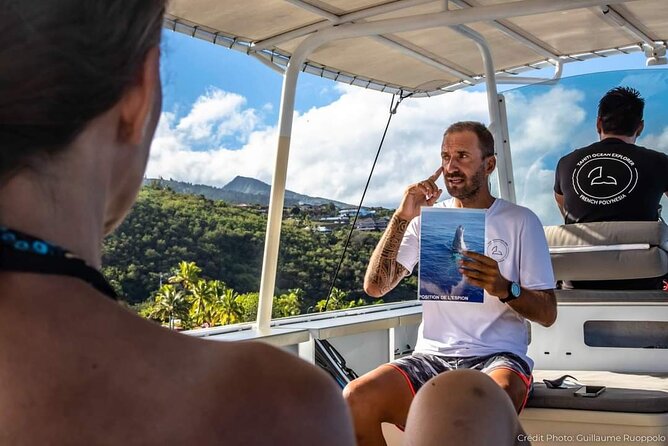
At $127.54 per person, this is not a cheap boat ride, but the price compares reasonably with the length and specialist focus. You receive about four hours on the ocean, a small group capped at 12 people, naturalist instruction, a spacious boat, and access to a hydrophone.
The value depends on what you want. If you are paying only for a guaranteed close-up photograph, the cost may feel high when the whales remain distant. If you value time, expert interpretation, responsible rules, and the possibility of hearing whale song or seeing a mother and calf, the price is easier to justify.
I would also compare the price with the quality of the decision-making. A guide who refuses an unsafe swim is protecting the experience’s standards, even when that choice leaves you disappointed. The strongest value comes from booking this as a serious wildlife outing, not as a guaranteed water attraction.
The tour is often reserved well ahead, with an average booking lead time of 61 days. That suggests you should plan early, particularly if your Tahiti dates are fixed. Confirmation arrives within 48 hours of booking, subject to availability.
Who will enjoy this four-hour outing?
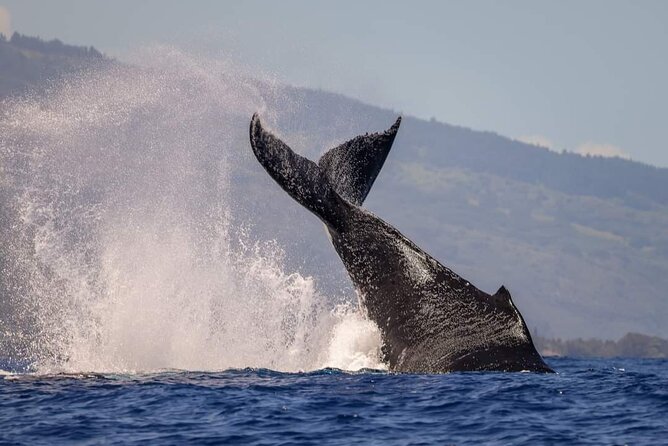
I would recommend it most to people who enjoy nature, photography, marine life, and small-group excursions. It suits anyone who wants a more informed encounter rather than a quick ride past the coast.
It is also a good match for confident snorkelers who would welcome the possibility of entering the water, while still being happy to remain on the boat if conditions are wrong. Couples, solo visitors, and families with older children can all fit the format, provided everyone understands that wildlife sightings vary.
I would be cautious about booking it for very young children or anyone who becomes uncomfortable on rough water. Children under 10 cannot enter the water and will observe only from the boat. If a child needs constant activity, four hours of searching may feel long.
This is also not ideal for someone with a rigid schedule. The tour lasts about four hours, but the emotional rhythm can be unpredictable. The whale may appear quickly, or the crew may spend much of the outing searching.
Practical tips for a better day
Arrive ready for a boat-based experience from the start. Wear clothing suited to changing ocean conditions, and protect your phone or camera from spray. The supplied information does not specify what equipment is provided, so ask the operator directly about snorkeling gear and personal items before departure.
Listen closely during the briefing. The rules may explain why the boat stops at a certain distance, why the captain changes direction, or why a swim is not allowed. Understanding those choices makes it easier to appreciate a respectful encounter.
Keep your camera ready, but do not watch the entire outing through a screen. A whale’s blow can last only seconds, and the guide’s directions are more useful than constant filming. You may get better shots by following the crew’s advice and staying alert.
Finally, leave room in your expectations. A few distant blows can still be a memorable morning when you have learned how humpbacks behave and heard them through the hydrophone. A close encounter is wonderful, but it is never the only measure of a worthwhile trip.
Should you book Tahiti Ocean Explorer?
I would book this tour if you want a small-group, conservation-minded whale search and can accept uncertainty. The combination of four hours, naturalist guides, a spacious boat, hydrophone, and a possible snorkel makes it a strong choice for people who care about the full marine experience.
I would skip it if your main goal is a guaranteed swim with whales or a nonstop series of close sightings. The guide may keep everyone on the boat, the sea may be rough, and the animals may remain far away.
For most visitors with flexible expectations, the balance is good. You may see a mother and calf, hear whale song, or simply follow the search as the crew works carefully through Tahiti’s waters. That is the honest bargain here: a real encounter with wild animals, not a promise manufactured for tourists.
FAQ
How long does the whale-watching experience last?
The activity lasts approximately four hours, including the briefing, ocean search, wildlife observation, and return to the meeting point.
Where does the tour begin and end?
It begins at C97M+HW in Puna’auia, French Polynesia, and ends back at the same meeting point.
How many people can join the boat?
The maximum group size is 12 people.
Is snorkeling included?
Snorkeling may be possible if whale behavior and sea conditions allow it. Snorkeling experience is mandatory for anyone selecting that option, and the guide makes the final decision.
Can children join the activity?
Yes. The child rate applies to children under 10 years old, but children in that age group can observe whales only from the boat.
Are whale sightings or water launches guaranteed?
No. Sightings and water launches are not guaranteed or systematic. The guide decides what is safe and respectful based on sea conditions and whale behavior.
What happens if the weather cancels the tour?
If poor weather causes a cancellation, you can receive a full refund or choose a different date. A full refund is also available if the minimum number of people is not reached and the operator cancels.
Just added in Tahiti
- Wholesale Fishing in Poti Marara at Tahiti Teahupoo Peninsula★ 5.0 · 4 reviews
- Small group snorkeling (5 people max): wrecks & tropical fishes at 3:30pm★ 5.0 · 7 reviews
- VIP Ferry crossing from Tahiti to Moorea★ 5.0 · 2 reviews
- Unforgettable sunset against Moorea★ 5.0 · 1 review
- Whale Watching Activity★ 5.0 · 8 reviews
- Taxi Boat to Watch the Teahupoo International Surfing Competition★ 4.5 · 13 reviews
- Teahupoo Olympic Wave Journey★ 5.0 · 6 reviews
- SURF TAHITI Bites & Waves – Surf experience with every bite★ 5.0 · 7 reviews
Whale Watching in Tahiti, compared.
Guided Small Group Whale Watching and Swim Tour Tahiti
Read our review →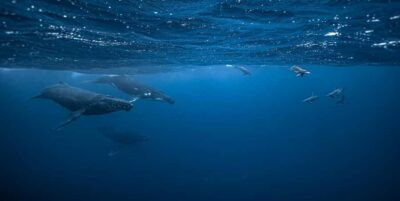
Moorea 4H Shared Boat Tour Whale Swimming and Snorkeling
Read our review →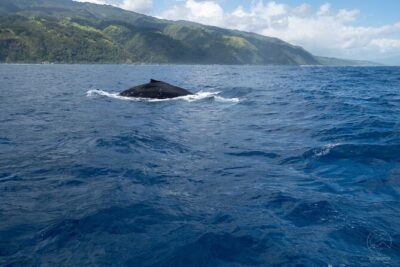
Whale watching on the preserved and quiet coast of Paea (Pk26)
Read our review →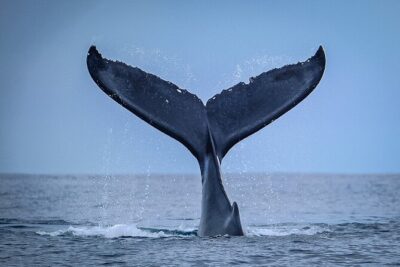
Half Day Whale Watching in a Small Shared Group
Read our review →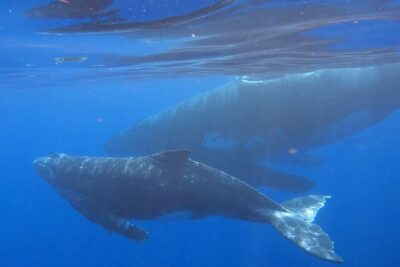
Browse the lists this tour appears in