
Review · DIVING IN FRENCH POLYNESIA
Diving initiation
Tahiti makes a fine classroom. This two-hour beginner scuba lesson takes you from basic safety guidance to an underwater look at fish, coral, wrecks, and a manmade reef. I like the tiny group size, limited to two people, and the promise of close personal attention. I also like that children from age five can take part, making this a family-friendly way to try scuba without committing to a full certification course.
The main caution is simple: your comfort depends heavily on the instructor’s explanations and the equipment setup. One poor account described feeling unprepared and unable to sink properly, while several others praised the clear instruction, clean equipment, and calm support. That contrast makes it wise to speak up before entering the water if anything feels unclear or uncomfortable.
In This Review
- Key points at a glance
- Why Tahiti is a good place for a first underwater lesson
- The 10:30 a.m. meeting and small-group setup
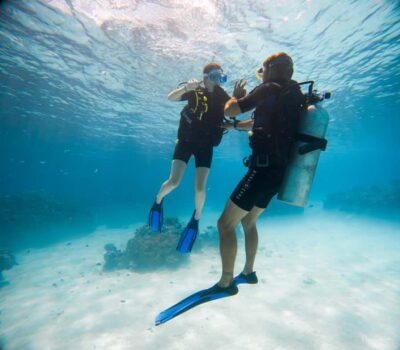
- What happens before you enter the water
- Learning to breathe and move underwater
- Fish, coral, wrecks, and a manmade reef
- How personal is the instruction?
- Is the $162.08 price good value?
- Who should book this Tahiti experience?
- Booking timing and cancellation
- Should you book the Tahiti scuba initiation?
- FAQ
- How long is the Tahiti scuba initiation?
- What time does the experience begin?
- Where does the activity start and finish?
- Is the lesson suitable for complete beginners?
- What is the minimum age?
- How many people can join the session?
- Can I cancel for a full refund?
Key points at a glance
- Only two people per session: The small group gives your instructor time to watch your breathing, position, and comfort closely.
- A true first-time lesson: No prior scuba experience is required, and the session introduces safety and basic underwater skills.
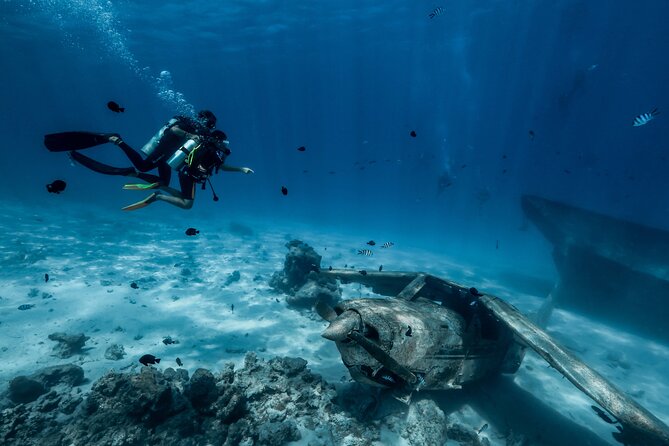
- Tahiti’s underwater scenery: You may see colorful fish, coral reefs, wrecks, and a manmade reef made from a sunken wreck and plane.
- Suitable from age five: The activity is open to children over five, though every participant still needs to feel comfortable in the water.
- About two hours at 10:30 a.m.: The fixed morning start gives you a clear plan for the day and leaves later time for other Tahiti activities.
- A possible path toward certification: The lesson can introduce skills used in the first stages of scuba certification, but it is not itself a full certification course.
Why Tahiti is a good place for a first underwater lesson
A first scuba session can feel intimidating. You are asked to breathe through equipment, manage your body position, and stay calm in an unfamiliar setting. Tahiti helps soften that challenge with warm tropical water and an underwater setting filled with fish and coral.
I like the idea of learning in a place where the scenery gives you a reason to keep trying. Once you begin to notice fish moving around you or coral below, the lesson becomes more than a technical exercise. You have something interesting to focus on while your body gets used to the equipment.
The activity is described as a diving baptism, a French Polynesian term for a first introduction to scuba. That wording fits the experience well. You are not expected to arrive with skills. You are being given a careful first look at a new world, with the possibility of continuing toward the earliest levels of formal certification.
Still, beautiful surroundings do not replace good instruction. Before you enter the water, make sure you understand how to breathe, how to communicate, and what to do if you feel uneasy. A short lesson needs clear explanations, and you should not feel rushed through them.
More Diving in French Polynesia
- Diving day
★ 5.0 · 45 reviews - Double Diving Adventure Exploration for Certified Divers
★ 5.0 · 8 reviews - Baptism diving in the turquoise waters of Tahiti
★ 5.0 · 8 reviews
The 10:30 a.m. meeting and small-group setup
The listed meeting point is C97P+J5J in Puna’auia, French Polynesia. The session begins at 10:30 a.m. and returns to the same meeting point. The exact location matters, so plan enough time to find Puna’auia and arrive ready rather than treating the start time as a loose suggestion.
The maximum group size is two people. That is one of the strongest features of this activity. In a larger class, a first-time participant may spend much of the session waiting for an instructor to finish with someone else. Here, you should receive far more direct attention.
That small format is especially useful if you feel nervous. Your instructor can watch how you respond to the equipment, give corrections, and answer questions without managing a crowd. It also makes the session more appealing for two people booking together, since both participants can learn in the same quiet setting.
Some arrangements have included transport from a hotel or near the cruise ship pier, including a complimentary hotel pickup and return. The firm meeting-point information, however, is at Puna’auia, so confirm your own transport details before booking. The area is near public transportation, which gives you another possible way to reach the start.
What happens before you enter the water
The lesson’s first job is to make scuba feel manageable. You should expect an introduction to safe underwater behavior and the basic way to use the equipment. The supplied description does not provide a minute-by-minute schedule, so do not assume a long classroom presentation or a particular training pool.
This is the part where I would ask direct questions. Find out how you signal that you are uncomfortable, how you clear the equipment if needed, and what your instructor wants you to do if you need to return to the surface. Those questions are not signs of weakness. They are exactly what a first lesson should make room for.
Equipment quality has been a strong point for several participants. It has been described as clean, high quality, and ready for use. That is encouraging, but fit is personal. If a mask leaks, a mouthpiece feels awkward, or you cannot control your position, say so immediately. One negative experience centered on poor preparation and difficulty sinking, which shows why a careful equipment check matters.
The best approach is to treat the preparation as part of the activity, not as time standing between you and the fish. Clear instructions at the start can make the underwater portion calmer and much more enjoyable.
Learning to breathe and move underwater
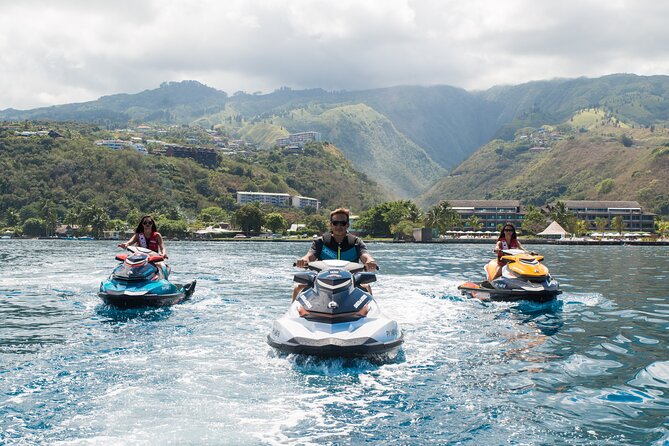
Once you enter the water, the main novelty is breathing while surrounded by water. The experience is designed for complete beginners, so you are not expected to know how to control your body position or move efficiently from the start.
The description compares the feeling to weightlessness. That is a useful way to understand the appeal, but it can take a little time to get used to. You may need to focus on slow breathing and gentle movements rather than trying to swim as you normally would.
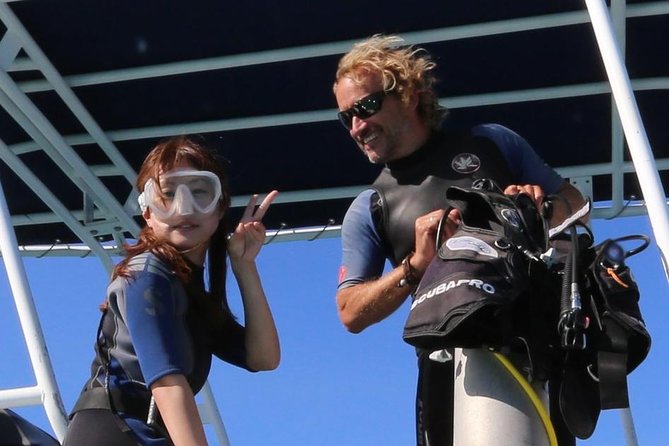
Your instructor’s role is important here. Several participants have praised instructors who explained each step carefully and made them feel comfortable underwater. One first-time participant called the instructor professional and said the detailed guidance turned the session into a very positive introduction.
I would not treat the activity as a test of athletic ability. It is meant to open the door to scuba, not prove that you already belong underwater. If you need extra time to settle your breathing or adjust your position, ask for it. The two-person format should help your instructor give you that attention.
The negative account deserves equal weight. One participant felt that too little had been explained before entering the water and did not feel prepared. Since the activity is intended for beginners, you should expect the instructor to explain the process clearly. If that is not happening, pause and ask for more guidance before continuing.
More things to do on Tahiti:
- 5 Hours Tahiti Island Tour – West and East Coast
★ 5.0 · 1,020 reviews - Crossing Island of Tahiti 4×4 Mountain, Waterfall, River, Basins
★ 4.5 · 532 reviews - Découvrez le Mana durant la traversée de Tahiti en 4×4 Safari
★ 5.0 · 456 reviews - Moorea Street Food Tour
★ 5.0 · 410 reviews
Fish, coral, wrecks, and a manmade reef
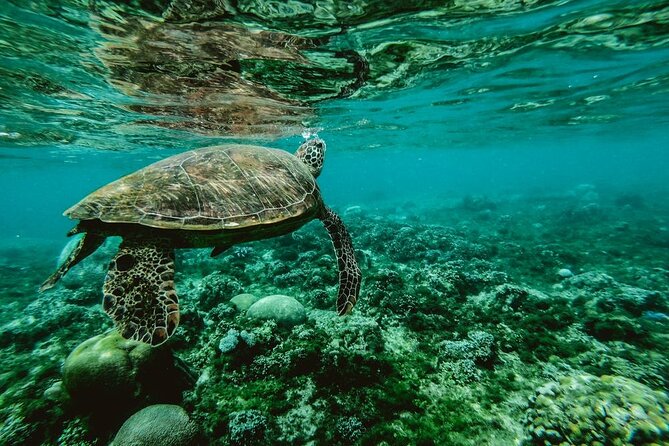
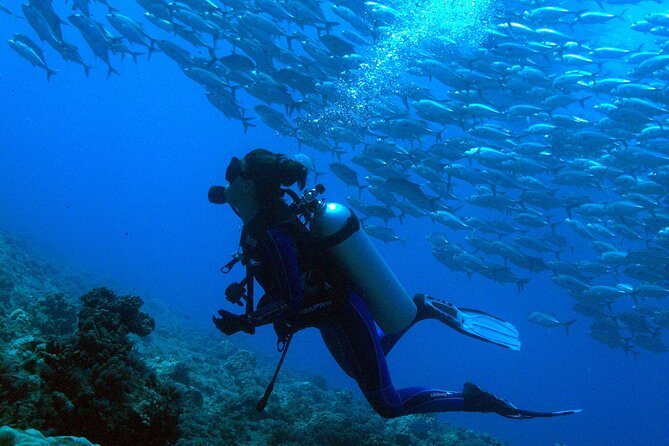
The underwater scenery is the reward for mastering the first basics. You may swim among colorful fish and coral reefs, with the chance to pass over wrecks. Another described attraction is a manmade reef formed from a sunken wreck and plane.
That unusual reef gives the session a distinctive visual goal. You are not only looking at natural coral and fish. You may also see objects that have become part of the underwater setting. For a first scuba outing, this mix of nature and human-made structure can make the visit more memorable.
Keep your expectations measured. The provided details do not promise a particular number of fish, a specific wreck, or a guaranteed marine animal sighting. Conditions can affect what you see. The clear promise is the chance to experience Tahiti’s underwater world close up, not a fixed wildlife show.
I like that the scenery is presented as part of the lesson rather than as a separate sightseeing trip. You learn a skill and use it immediately. That connection can make the basic instruction feel worthwhile, especially if you are unsure about signing up for a longer course.
How personal is the instruction?
With no more than two participants, personal attention should be a central part of the session. Your instructor can monitor how you handle the breathing equipment, help you remain calm, and adjust the pace to suit the pair.
Specific staff members have received praise. Naia handled transport updates in one account, while Nicolas provided a pleasant ride from near the cruise ship pier. An instructor named C was connected to the one poor experience, where the participant felt the preparation was not sufficient. Other participants praised friendly, professional instructors who explained details carefully.
The practical lesson is not to judge the whole activity by one name or one account. Instructor performance can shape a first scuba session, and communication matters from the start. Tell the staff that you are a complete beginner, even though the booking already identifies the activity that way. Be clear about any fear or uncertainty.
If you are booking for a child, personal attention becomes even more valuable. A young participant may need extra reassurance and simple instructions. The minimum age is five, but the details do not say that every five-year-old will be equally ready. You know your child’s comfort level best, and an adult should be prepared to speak up if the pace feels too fast.
Is the $162.08 price good value?
At $162.08 per person, this is not a casual beach activity. You are paying for a guided introduction to scuba, equipment, instruction, and access to Tahiti’s underwater setting. The maximum of two people makes the price easier to understand, since you are buying a more private lesson rather than joining a large group.
The value is strongest if you have always wanted to try scuba but do not want to book a full course. Two hours gives you a focused introduction without taking an entire day. You also receive a first look at whether scuba suits you before spending more on certification training.
The price is less attractive if you only want a quick swim with fish. This is not simply a sightseeing session. You are expected to listen, learn, use equipment, and follow safety instructions. Someone who wants maximum freedom with minimum teaching may prefer another water activity.
The session also has value for cruise passengers or people with a short stay. The 10:30 a.m. start and approximate two-hour length leave room for other plans, though you should allow extra time if transport is involved. Since the activity returns to the meeting point, you can plan the rest of the day from there.
Who should book this Tahiti experience?
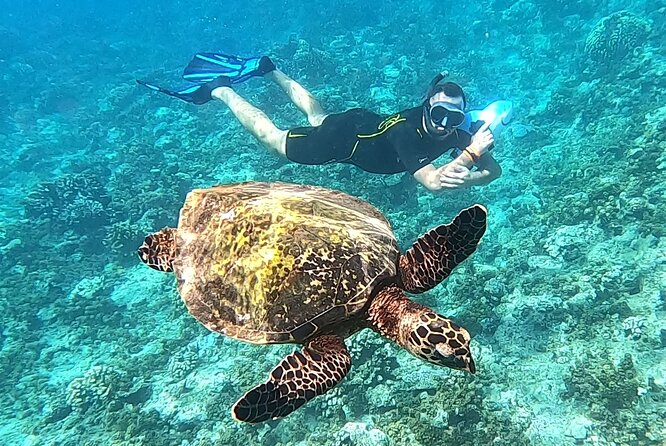
I would consider this a good fit for:
- A complete beginner who wants a first taste of scuba
- A couple or pair of friends who value a very small group
- Families with children over age five
- Cruise passengers seeking a focused morning activity
- Anyone considering formal scuba certification
- People who want fish, coral, and wreck scenery rather than a lesson in a pool alone
You should think twice if you dislike close-fitting equipment, feel very uneasy in the water, or want a long, independent underwater session. The activity is introductory and instructor-led. It is designed to build confidence, not provide hours of unrestricted exploration.
Service animals are allowed, and the activity is near public transportation. The details also say most people can participate. Those points are helpful, but they do not replace checking your own needs with the operator before booking.
Booking timing and cancellation
This session is booked about 27 days ahead on average. That does not mean you must reserve exactly four weeks out, but it suggests that early planning is sensible, especially if you have fixed cruise or flight dates.
You receive confirmation at the time of booking, and the ticket is mobile. That keeps the practical side simple. Save the confirmation on your phone and check the meeting point before the morning of the activity.
Free cancellation is available if you cancel at least 24 hours before the local start time. If you cancel later, the amount paid is not refunded, and changes made inside that 24-hour window are not accepted. Give yourself a reminder well before the cutoff, since French Polynesia local time controls the deadline.
Should you book the Tahiti scuba initiation?
I would book this if you want a carefully guided first encounter with scuba and value a maximum group of two. The combination of personal attention, tropical fish, coral, wrecks, and a possible path toward certification gives the two-hour session real purpose.
I would book with one condition: confirm how the safety briefing and equipment check will be handled, and speak up if you do not feel ready. The high 4.8 rating from 25 ratings and 96 percent recommendation are encouraging, while the one serious complaint shows that clear preparation cannot be taken for granted.
For a first underwater lesson in Tahiti, the setting is hard to beat. Just remember that the quality of your experience will depend on both the scenery and the instructor guiding you through it.
FAQ
How long is the Tahiti scuba initiation?
The activity lasts approximately two hours.
What time does the experience begin?
The listed start time is 10:30 a.m.
Where does the activity start and finish?
It starts at C97P+J5J in Puna’auia, French Polynesia, and ends back at the meeting point.
Is the lesson suitable for complete beginners?
Yes. The session is designed for people who have never learned to scuba.
What is the minimum age?
Children over the age of five can take part.
How many people can join the session?
The activity has a maximum of two participants.
Can I cancel for a full refund?
Yes, if you cancel at least 24 hours before the experience start time. Cancellations or changes made less than 24 hours before the start are not refunded or accepted.
Just added in Tahiti
- VIP Ferry crossing from Tahiti to Moorea★ 5.0 · 2 reviews
- Wholesale Fishing in Poti Marara at Tahiti Teahupoo Peninsula★ 5.0 · 4 reviews
- Small group snorkeling (5 people max): wrecks & tropical fishes at 3:30pm★ 5.0 · 7 reviews
- Unforgettable sunset against Moorea★ 5.0 · 1 review
- Whale Watching Activity★ 5.0 · 8 reviews
- Taxi Boat to Watch the Teahupoo International Surfing Competition★ 4.5 · 13 reviews
- Teahupoo Olympic Wave Journey★ 5.0 · 6 reviews
- SURF TAHITI Bites & Waves – Surf experience with every bite★ 5.0 · 7 reviews
Diving in French Polynesia, compared.
Romantic dive in the lagoon of Bora Bora. Private instructor on a shared boat
Read our review →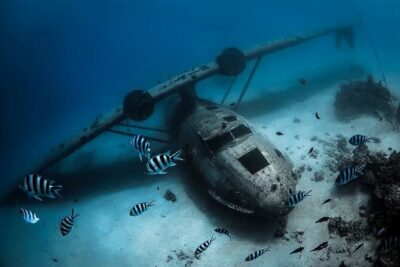
1 Afternoon Dive for Certified Divers in Bora Bora
Read our review →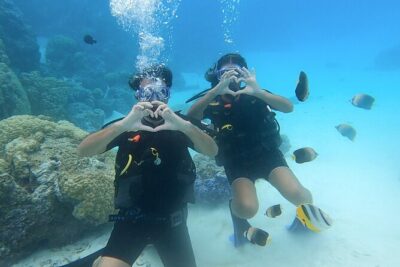
Romantic Dive for beginners in Bora Bora (2 people) with Video
Read our review →Browse the lists this tour appears in