
Review · MOOREA TOURS
Polynesian culinary experience
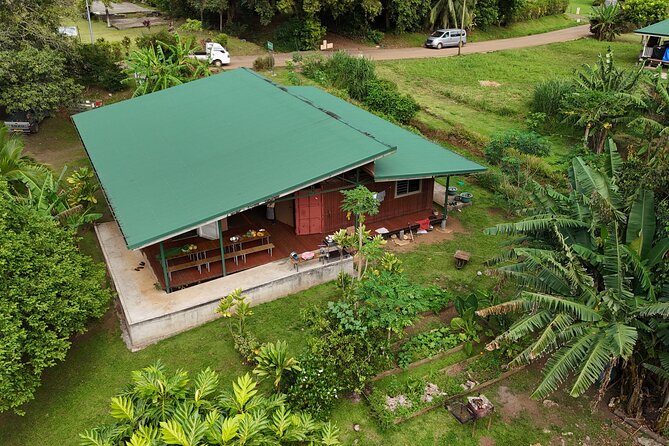
Food tells Moorea’s story best. In the pineapple fields of Paopao Valley, this 3.5-hour cooking experience connects local ingredients, Polynesian traditions, island agriculture, and a generous shared meal. You work with guides Audrey and Stevenson in their professional teaching kitchen, with gardens and mountain scenery close by.
I especially like the hands-on cooking and the strong sense of place. You do more than watch a chef work. You identify plants, prepare several dishes, learn traditional cooking methods, and then sit down to eat what you helped make. The setting among pineapple fields and tropical gardens is another major plus.
The main drawback is practical: there is no air-conditioned vehicle included, so you must arrange your own way to the meeting point at F5MG+32W in Moorea. The 9:00 am start also calls for a reasonably early morning, though the lunch and relaxed pace make the timing worthwhile.
In This Review
- Key points at a glance
- Arriving in Moorea’s Paopao Valley
- Meeting Audrey and Stevenson
- Learning the garden before the kitchen
- Preparing poisson cru and other Polynesian dishes
- Why the shared lunch matters
- A private class with room to participate
- Is $99 a fair price?
- Who should book this experience?
- Practical details before you book
- Should you book the Polynesian culinary experience?
- FAQ
- Where does the Polynesian culinary experience take place?
- What time does the experience start?
- How long does the cooking experience last?
- Is transportation included?
- What food and drinks are included?
- Is this a private activity?
- Can I cancel for a full refund?
Key points at a glance
- Cook in Paopao Valley: The class takes place beside pineapple fields, tropical gardens, and a production laboratory.
- Meet Audrey and Stevenson: Their teaching combines food preparation with Polynesian culture, agriculture, and island history.
- Prepare a real local meal: Dishes may include poisson cru, coconut bread baked in a leaf, grilled tuna, breadfruit, sauces, and a banana-leaf dessert.
- Small private setting: Only your own group participates, making it easier to ask questions and take part.
- Lunch is included: Coffee or tea, snacks, and the prepared meal are part of the $99 price.
- Recipes go home with you: You receive recipes that can help you recreate the dishes after your trip.
Arriving in Moorea’s Paopao Valley
The class begins at 9:00 am in Paopao Valley, one of the most appealing parts of the experience. You are not tucked inside a hotel restaurant or a generic cooking studio. The setting is surrounded by pineapple fields and growing gardens, with Moorea’s sharp mountain peaks nearby.
That location matters. Before you start chopping or grilling, you get a sense of where island food comes from. The garden gives the lesson a useful physical connection to the ingredients. You can learn to identify local plants and see how agriculture fits into daily life on Moorea.
The teaching space is professional and designed for workshops and culinary training. It is also next to a production laboratory, which gives the class a more serious food focus than a casual demonstration. At the same time, the mood is described as friendly and laid-back rather than formal.
You should plan your route carefully. Transportation is not included, and the experience ends back at the same meeting point. Since the location is identified by a plus code rather than a familiar hotel or major attraction, allow enough time to find it.
More things to do on Moorea:
- Moorea 6-Hour Snorkeling and Lunch Shared Tour
★ 5.0 · 1,758 reviews - Moorea 4WD Tour Inc. Belvedere, Pineapple Farm, Magic Mountain…
★ 5.0 · 967 reviews - Snorkeling excursion, discovery of the lagoon, small group.
★ 5.0 · 861 reviews
Meeting Audrey and Stevenson
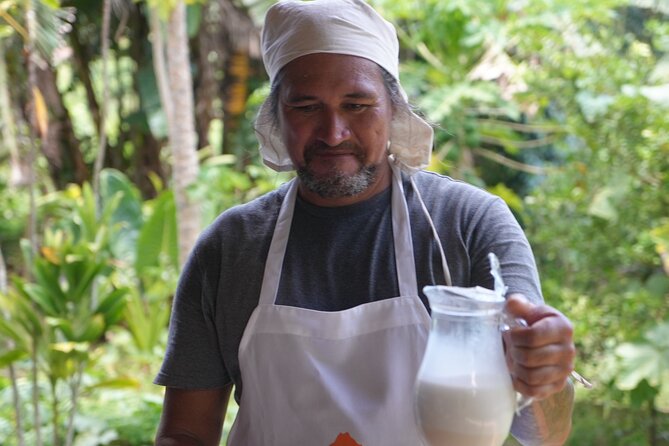
Audrey and Stevenson are central to the appeal of the class. They do not simply hand you ingredients and run through a list of steps. Their lesson covers Polynesian food, local products, traditional techniques, the island’s past, and changes in Polynesian society today.
I like this approach because food becomes a way to understand the place. You learn what is grown locally, what is seasonal, what has been imported, and how island cooks have adapted to the ingredients available to them. The class also touches on the benefits of local produce and ways to use it at home.
The tone appears especially well suited to curious people who enjoy conversation. Past participants describe Audrey and Stevenson as personable, welcoming, and down to earth. Their helper Mauri has also been mentioned as part of the teaching team, and one family group enjoyed sharing the meal with the hosts and their son.
This is not a silent cooking lesson where you follow instructions and leave. The social part is important. You prepare food together, talk about Polynesian life, and eat at the same table. If you prefer a quick demonstration with minimal conversation, this may feel slower than expected. If you like learning through people and stories, the pace is a strength.
Learning the garden before the kitchen
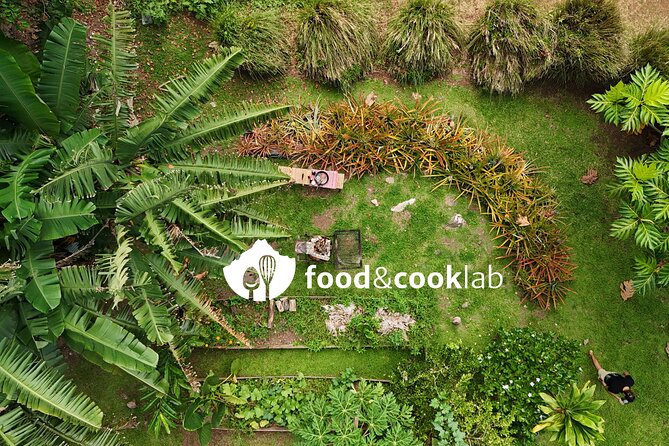
One of the most useful parts of the morning is the introduction to the gardens and local plants. You learn to identify different fruits, vegetables, and other plants, then hear how they are used in cooking.
The garden visit helps explain why the dishes taste different from familiar versions of island food. Ingredients are not treated as decoration. They are part of the lesson, from where they grow to how they are prepared and served.
The setting also gives you a glimpse of the work involved in local food production. One especially meaningful part of the experience is the attention given to organic growing and the effort required to maintain such a project. That context adds weight to the meal later. You understand that fresh food on an island involves more than placing produce on a plate.
The garden portion is best for visitors who want more than a recipe. You gain a better sense of Moorea’s resources and the balance between local production and imported goods. It is also a pleasant way to begin the day before moving into the more active cooking work.
Preparing poisson cru and other Polynesian dishes
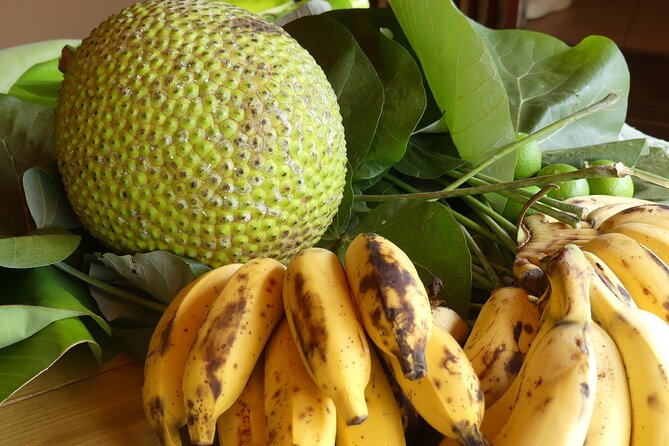
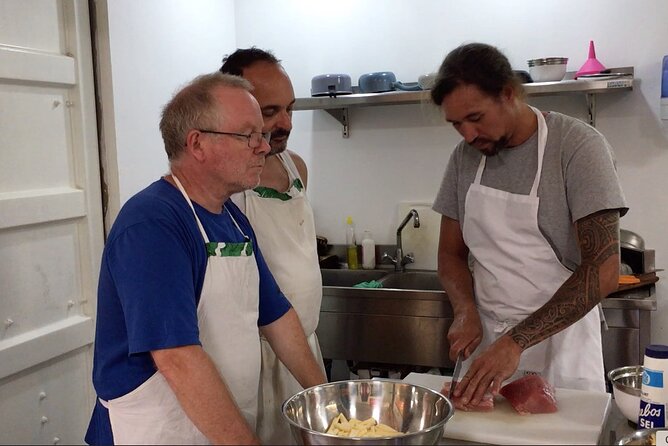
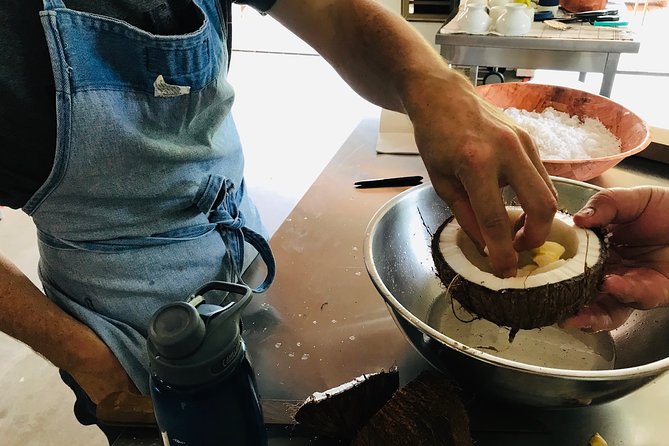
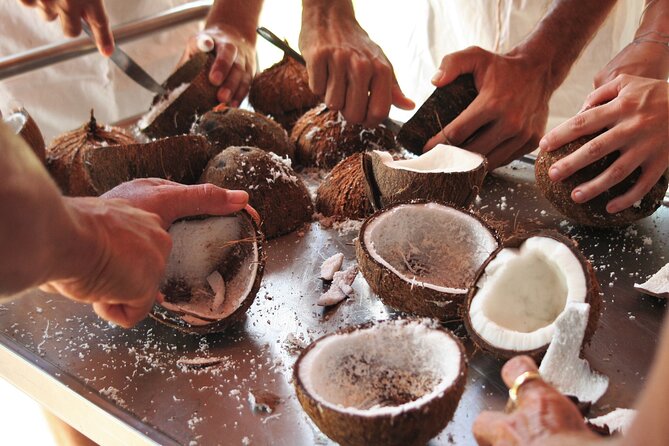
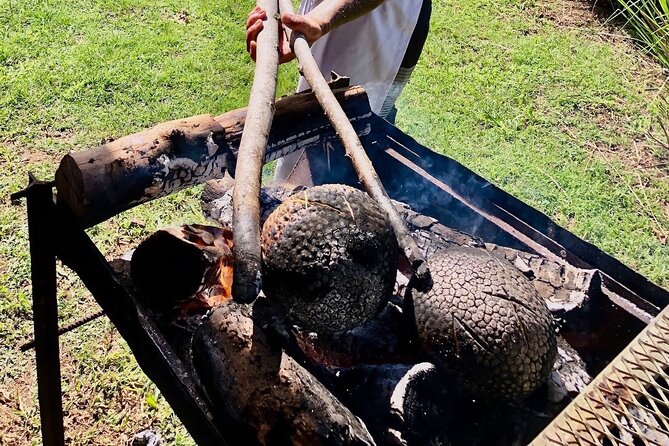
The menu includes several traditional dishes rather than one recipe repeated in different forms. A typical class may include poisson cru, coconut bread wrapped and cooked in a banana leaf, coconut chips, grilled red tuna, homemade sauces, roasted breadfruit, and a pumpkin and tapioca dessert prepared in a banana leaf.
The exact menu can depend on available ingredients, but the examples give you a clear idea of the range. You work with fresh produce, fish, coconut, breadfruit, and locally grown items. The meal is substantial, not a few sample bites.
Poisson cru is one of the best-known Polynesian dishes, and here you may learn how to carve the tuna before preparing it. That adds a practical skill to what could otherwise be a simple tasting. You also get to see how raw fish is combined with local flavors.
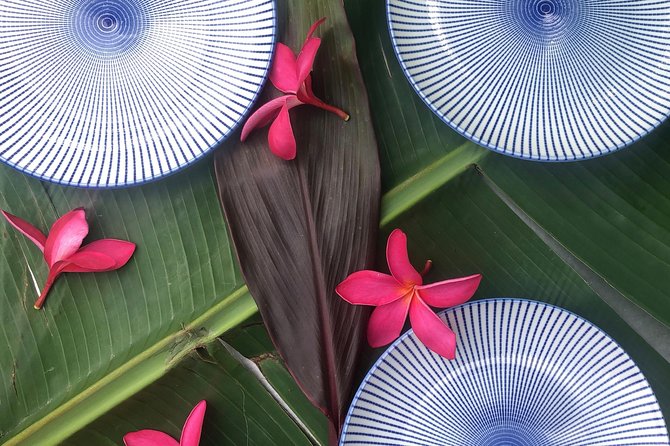
The coconut bread is another memorable lesson. Wrapping food in leaves is not just a visual trick. It reflects a traditional way of cooking with materials available on the island. The banana leaf helps connect the recipe to Polynesian cooking methods and resourcefulness.
Grilled tuna gives the class a second treatment of the same local fish. You may prepare two homemade glazed sauces, allowing you to compare flavors while learning how sauces change a dish. Roasted breadfruit adds a starchy side that feels more connected to island cooking than a standard tourist menu.
Dessert continues the same theme. The pumpkin and tapioca preparation, wrapped in a banana leaf, shows how familiar ingredients can be combined into something distinctive. Coconut chips add another texture and make good use of a common Polynesian ingredient.
A completely different kind of day:
- Franckyfranck Tours Moorea – Half day Tours
★ 5.0 · 817 reviews - Best Way to Interact with Ocean Wildlife with Lunch. 6H
★ 5.0 · 599 reviews - Grand Tour Quad Excursion in Moorea (Single or Two-Seater)
★ 5.0 · 541 reviews - Half Day Tour : Moorea Snorkeling & Sailing on a Catamaran named Taboo
★ 5.0 · 529 reviews
Why the shared lunch matters
After the preparation, you sit down and eat together. This is more than a reward at the end of class. It gives you time to understand how the dishes work as a complete Polynesian meal.
The lunch is often described as the best meal of the Moorea visit, and I can see why the format encourages that reaction. You have handled the ingredients, learned where they come from, and heard the cultural background. The food carries meaning because you have taken part in making it.
The meal also allows for conversation with Audrey and Stevenson. The experience feels personal because your group eats with the people who taught you. Some participants have even had enough food left over to enjoy another meal later, though you should not treat leftovers as guaranteed.
Coffee, tea, snacks, and lunch are included in the $99 price. Alcoholic drinks are not included, so plan on a nonalcoholic meal unless you make other arrangements. The focus remains firmly on food, conversation, and local traditions.
A private class with room to participate
This is a private activity, so only your group takes part. That is a valuable feature for couples, families, and small groups who want direct access to the instructors.
A private class also makes it easier to ask about substitutions or cooking methods. Vegetarian accommodations have been made for at least one participant, which suggests some flexibility. Still, you should communicate dietary needs when booking rather than assume every menu can be changed.
The class is designed for participation. Everyone has a part, and the active structure helps prevent the long stretches of standing around that can make cooking demonstrations dull. One family described the pace as casual and fun, while another noted that the preparation was well organized.
Older visitors may also find the format manageable. A 92-year-old participant took part with a family member and had a very positive experience. That does not mean every mobility need can be met, since detailed accessibility information is not provided, but the relaxed pace is encouraging.
Is $99 a fair price?
At $99 per person, this is not the cheapest way to eat lunch in Moorea. You are paying for more than the food. The price includes a private 3.5-hour class, instruction, cultural context, garden access, snacks, coffee or tea, lunch, taxes, and recipes to use at home.
For someone who only wants a meal, the cost may feel high. For someone who wants a personal activity with a real connection to the island, the value is stronger. You receive several hours of teaching and conversation, plus a menu that may include fresh tuna, local produce, coconut, breadfruit, and traditional leaf-wrapped dishes.
The recipes also extend the experience beyond Moorea. You can try the dishes again at home, which gives the class a longer life than a restaurant lunch. The value is best for people who enjoy cooking, food culture, and learning how local ingredients are used.
The 100 percent recommendation rate and five-star score from 137 reviews support the idea that the experience delivers what it promises. The strongest praise focuses on the food, the setting, Audrey and Stevenson, and the way the lesson combines cooking with Polynesian culture.
Who should book this experience?
I would recommend it most strongly to:
- Couples looking for a shared activity beyond the beach
- Families with older children who enjoy hands-on work
- Honeymooners seeking a personal cultural experience
- Home cooks who want recipes and practical techniques
- Food lovers interested in fish, coconut, breadfruit, and local produce
- Visitors who want to understand Moorea through daily life, not only scenery
It is also a good choice early in your stay. The class can give you a useful introduction to local ingredients and traditions before you eat at other restaurants around the island.
You may want to skip it if you dislike group-style conversation, do not enjoy participating in food preparation, or only have time for a quick activity. The morning is built around a slow exchange of cooking, stories, and lunch, not a fast sightseeing stop.
Practical details before you book
The activity lasts about 3 hours and 30 minutes and begins at 9:00 am. You need to reach F5MG+32W in Moorea on your own because an air-conditioned vehicle is not included.
A mobile ticket is accepted, and confirmation arrives when you book. Service animals are allowed. Since the activity is private, it can offer a more personal experience than a large cooking class.
Free cancellation is available if you cancel at least 24 hours before the start time. Cancellations or changes made less than 24 hours before the start are not accepted for a refund. The cut-off follows Moorea’s local time, so keep that in mind if your plans may change.
Should you book the Polynesian culinary experience?
Yes, if you want a real connection to Moorea’s food and people. The combination of garden produce, hands-on preparation, local fish, traditional cooking methods, cultural discussion, and a shared lunch gives the experience substance.
I would book it for the setting and the teaching as much as for the meal. Audrey and Stevenson bring warmth to the class, and the private format lets you ask questions rather than simply watch. Arrange your own transport, mention dietary needs in advance, and reserve early if your schedule is tight.
For a visitor who wants only beach time, this is an optional extra. For anyone who believes a place is best understood through its food, it is one of the strongest ways to spend a morning in Moorea.
FAQ
Where does the Polynesian culinary experience take place?
It takes place at F5MG+32W in Moorea, French Polynesia, in the Paopao Valley near pineapple fields, gardens, and a production laboratory.
What time does the experience start?
The experience starts at 9:00 am.
How long does the cooking experience last?
The activity lasts approximately 3 hours and 30 minutes.
Is transportation included?
No. An air-conditioned vehicle is not included, so you must arrange your own transportation to the meeting point.
What food and drinks are included?
Lunch, snacks, coffee or tea, and all fees and taxes are included. Alcoholic beverages are not included.
Is this a private activity?
Yes. Only your own group participates in the activity.
Can I cancel for a full refund?
Yes, if you cancel at least 24 hours before the experience start time. Cancellations or changes made less than 24 hours before the start are not accepted for a refund.
Just added in Moorea
- moorea tubing★ 5.0 · 12 reviews
- Yoga at sunrise at Sofitel Moorea, overlooking Tahiti★ 5.0 · 3 reviews
- Unique photo shoot in the heart DE Moorea: Beach & mountain combo★ 5.0 · 3 reviews
- Whale Watching Moorea (non-swimming)★ 4.0 · 12 reviews
- Watch and Swim with Humpback Whales in Moorea★ 5.0 · 3 reviews
- Snorkeling Safari Moorea (Half Day Tour)★ 5.0 · 3 reviews
- Snorkeling Tour in Moorea Aquatic Adventure Half Day★ 5.0 · 4 reviews
- Shared Transfer : Hotel to Moorea Airport (or) Pier★ 4.5 · 9 reviews
Moorea Tours, compared.
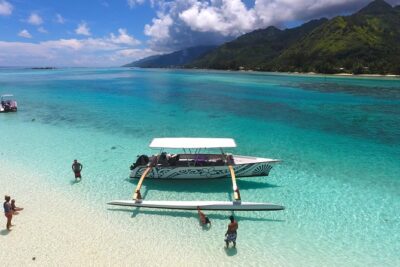
Moorea 6-Hour Snorkeling and Lunch Shared Tour
Read our review →
Moorea 4WD Tour Inc. Belvedere, Pineapple Farm, Magic Mountain…
Read our review →
Snorkeling excursion, discovery of the lagoon, small group.
Read our review →
Best Way to Interact with Ocean Wildlife with Lunch. 6H
Read our review →
Grand Tour Quad Excursion in Moorea (Single or Two-Seater)
Read our review →
Half Day Tour : Moorea Snorkeling & Sailing on a Catamaran named Taboo
Read our review →
Browse the lists this tour appears in